
Early Pregnancy Symptoms can be exciting, confusing, emotional, or hard to read because many early signs can feel similar to PMS, stress, stomach upset, or a normal late period.
Early Pregnancy Symptoms: First Signs, Timing, and When to Call
This early pregnancy symptoms guide explains missed period, nausea, fatigue, sore breasts, frequent urination, cramping, spotting, food aversions, pregnancy testing, and warning signs to call your doctor about.
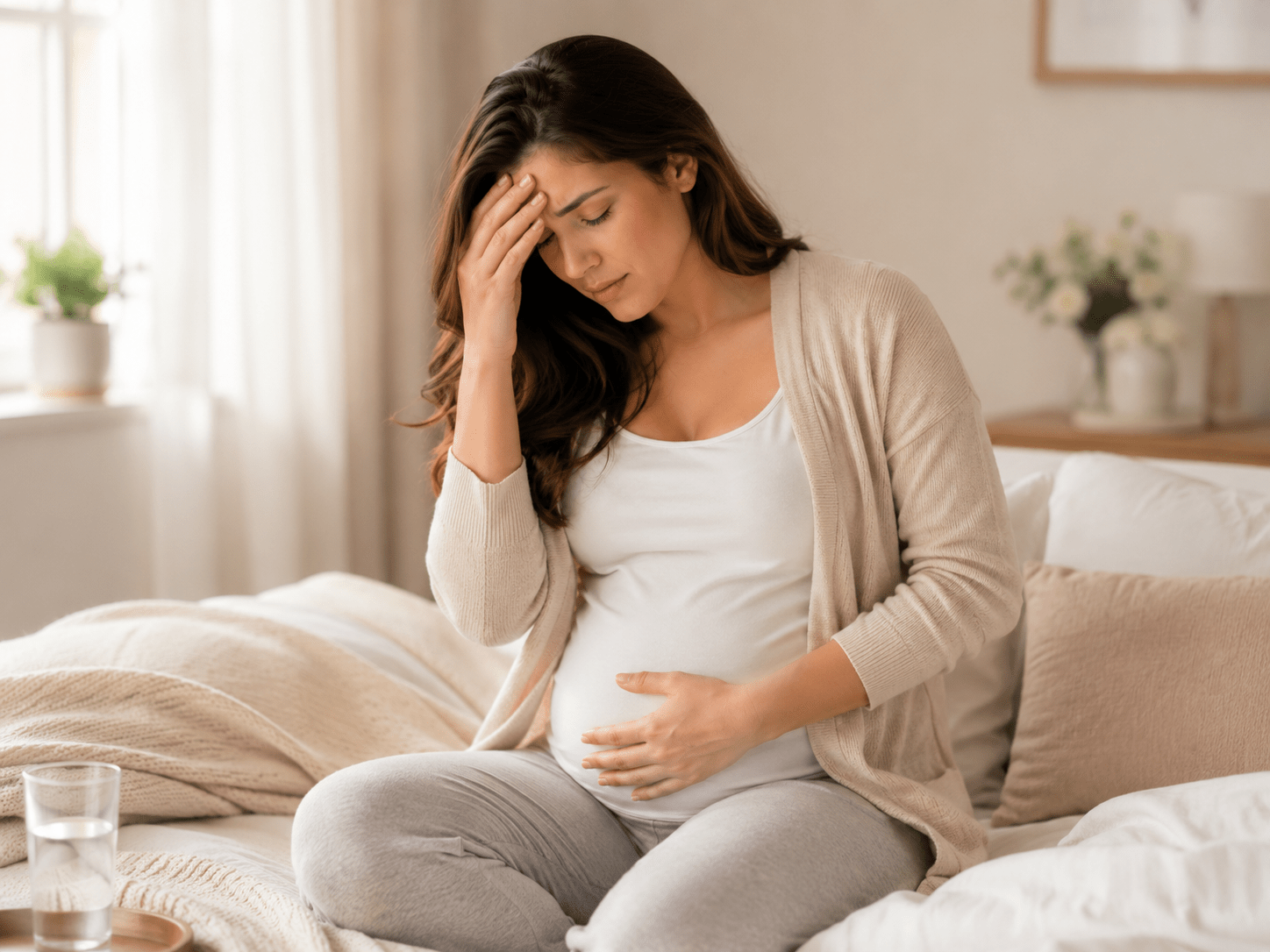
What Are Early Pregnancy Symptoms?
Early pregnancy symptoms are the body changes some people notice in the first days or weeks of pregnancy. These symptoms can happen because pregnancy hormones begin changing quickly after conception and implantation.
Not everyone has the same early pregnancy symptoms. Some moms notice signs before a missed period. Others do not feel much at all until later. Some symptoms are strong, while others are mild or easy to miss.
Cleveland Clinic says early pregnancy symptoms can include a missed period, needing to pee more often, tender breasts, feeling tired, and morning sickness. Cleveland Clinic
This page is for general education. It does not replace medical care. Always call your doctor, midwife, or healthcare provider with symptoms that worry you.
Early Pregnancy Symptoms Before a Missed Period
Some early pregnancy symptoms may happen before a missed period, but it can be hard to know for sure because many early signs overlap with PMS.
You may notice sore breasts, fatigue, mood changes, bloating, mild cramps, light spotting, food aversions, nausea, or needing to pee more often. These symptoms do not confirm pregnancy by themselves.
A pregnancy test is usually the clearest next step if your period is late or you think you may be pregnant. If the test is negative but your period still does not come, you may need to test again or call your provider.
Early Pregnancy Symptoms After a Missed Period
A missed period is one of the most common early pregnancy symptoms, especially if your cycles are usually regular. Office on Women’s Health says your period stopping is a clear sign that you are pregnant, though a test is still needed to confirm pregnancy. Office on Women’s Health
After a missed period, symptoms may become easier to notice because hormone levels continue rising. Nausea, fatigue, breast tenderness, frequent urination, smell sensitivity, and food aversions may become stronger for some moms.
If your periods are irregular, it may be harder to know whether you are late. In that case, testing and talking with your provider can help you figure out timing.
Early Pregnancy Symptoms List
Early pregnancy symptoms vary from person to person. Having many symptoms does not always mean pregnancy, and having few symptoms does not always mean something is wrong.
Mayo Clinic lists common early pregnancy symptoms such as missed period, tender swollen breasts, nausea with or without vomiting, increased urination, and fatigue. Mayo Clinic
- Missed period or late period.
- Positive pregnancy test.
- Tender, swollen, sore, or heavy breasts.
- Nausea with or without vomiting.
- Extreme tiredness or needing more sleep.
- Frequent urination.
- Food cravings or food aversions.
- Heightened sense of smell.
- Bloating, gas, constipation, or heartburn.
- Mild cramping or pulling sensations.
- Light spotting for some people.
- Mood swings, crying easily, or feeling emotional.
- Headache or dizziness.
Early Pregnancy Symptoms: Nausea and Morning Sickness
Nausea is one of the most common early pregnancy symptoms. It is often called morning sickness, but it can happen in the morning, afternoon, evening, or all day.
Mayo Clinic says morning sickness can strike at any time of day or night and often begins between 4 and 9 weeks of pregnancy. Mayo Clinic
Some moms feel queasy but do not vomit. Others vomit often or struggle with food smells. Small snacks, bland foods, fluids, and avoiding an empty stomach may help some people, but severe nausea should be checked.
ACOG says nausea and vomiting should be checked if it first starts after 9 weeks, or if it comes with abdominal pain, fever, headache, thyroid swelling, or signs of dehydration. ACOG
Early Pregnancy Symptoms: Fatigue
Fatigue can be one of the earliest early pregnancy symptoms. You may feel unusually tired, need naps, feel heavy, or struggle to get through normal daily tasks.
Mayo Clinic says fatigue ranks high among early pregnancy symptoms and that a rapid rise in progesterone during early pregnancy may contribute to sleepiness. Mayo Clinic
Rest when you can, drink fluids, eat balanced meals if possible, and tell your provider if fatigue feels extreme, sudden, or paired with dizziness, fainting, shortness of breath, chest pain, or heavy bleeding.
Early Pregnancy Symptoms: Sore Breasts
Sore breasts can be one of the first early pregnancy symptoms. Breasts may feel tender, swollen, heavy, tingly, or sensitive to touch.
Hormone changes can make breast tissue feel different early in pregnancy. Some moms also notice darker nipples, fuller breasts, or more sensitivity than usual.
Mayo Clinic lists tender, swollen breasts as a common first-trimester symptom. Mayo Clinic
Early Pregnancy Symptoms: Frequent Urination
Frequent urination can happen early in pregnancy. You may notice you are going to the bathroom more often, waking up at night to pee, or feeling like your bladder fills faster.
Mayo Clinic says increased urination can happen because the amount of blood in your body increases during pregnancy, causing your kidneys to process extra fluid that ends up in your bladder. Mayo Clinic
Call your provider if frequent urination comes with burning, pain, fever, back pain, blood in urine, chills, or feeling very unwell, because urinary infections should be checked during pregnancy.
Early Pregnancy Symptoms: Cramping
Mild cramping can happen as one of the early pregnancy symptoms. It may feel like pulling, stretching, light period-like cramps, or mild pressure.
Cramping may also be related to gas, constipation, bloating, implantation, or normal early uterus changes. Mild cramping alone does not always mean something is wrong.
However, severe cramping, one-sided pain, shoulder pain, dizziness, fainting, fever, or pain with heavy bleeding should be checked right away.
Early Pregnancy Symptoms: Spotting
Light spotting can happen in early pregnancy, but bleeding should still be taken seriously. Some spotting may happen around implantation or after cervical irritation, but you should call your provider if you are unsure.
Call quickly for heavy bleeding, clots, strong cramping, one-sided pain, shoulder pain, dizziness, fainting, fever, or bleeding that soaks a pad.
Cleveland Clinic says to call a pregnancy care provider right away in the first trimester for heavy bleeding or unusual vaginal discharge. Cleveland Clinic
Early Pregnancy Symptoms vs PMS
Early pregnancy symptoms can feel a lot like PMS. Breast tenderness, bloating, mood changes, fatigue, cramps, food cravings, and headaches can happen before a period or during early pregnancy.
The biggest difference for many people is a missed period and a positive pregnancy test. But even a late period can happen from stress, illness, hormone changes, travel, weight changes, or irregular cycles.
If you are unsure, take a pregnancy test and follow the instructions carefully. If your period does not come and tests are negative, call your healthcare provider.
Early Pregnancy Symptoms and Pregnancy Tests
Symptoms alone cannot confirm pregnancy. A pregnancy test checks for the hormone hCG, which rises after implantation.
Some home pregnancy tests may detect pregnancy before a missed period, but testing too early can give a negative result even if you are pregnant. Testing after a missed period is often more reliable.
If your test is positive, call your provider to ask what to do next. If your test is negative but your period is still late, test again later or call your provider.
Early Pregnancy Symptoms by Week
Early pregnancy symptoms can change quickly during the first weeks. Some weeks may feel quiet, while others may bring stronger nausea, tiredness, breast tenderness, or mood changes.
- 1 Week Pregnant: pregnancy dating starts from the last menstrual period.
- 2 Weeks Pregnant: ovulation and fertile timing may happen.
- 3 Weeks Pregnant: fertilization may happen around this time.
- 4 Weeks Pregnant: implantation and early hormone changes may begin.
- 5 Weeks Pregnant: nausea, fatigue, breast tenderness, and frequent urination may start.
- 6 Weeks Pregnant: symptoms may feel stronger for some moms.
- 7 Weeks Pregnant: food aversions, bloating, nausea, and tiredness may continue.
- 8 Weeks Pregnant: early pregnancy symptoms may still be intense.
Early Pregnancy Symptoms That Can Be Normal
Some early pregnancy symptoms can be uncomfortable but common. Mild nausea, fatigue, sore breasts, mood changes, bloating, constipation, frequent urination, food aversions, and mild stretching can happen in early pregnancy.
It is also normal for symptoms to vary. Some days may feel stronger than others. Some symptoms may come and go. That can be stressful, but changing symptoms do not always mean something is wrong.
Still, trust your instincts. If something feels severe, unusual, or scary, call your provider.
Early Pregnancy Symptoms Warning Signs
Most early pregnancy symptoms are not dangerous, but some symptoms need quick medical attention.
Cleveland Clinic says to call your provider right away in the first trimester for fever over 100.4°F, heavy bleeding, unusual discharge, severe cramping or abdominal pain, persistent vomiting or diarrhea, fainting or dizziness, swelling in the hands, fingers, or face, or blurred vision/spots before your eyes. Cleveland Clinic
Call your doctor right away for heavy bleeding, severe cramping, one-sided pelvic pain, shoulder pain, dizziness, fainting, fever, severe vomiting, signs of dehydration, severe weakness, chest pain, trouble breathing, severe abdominal pain, unusual discharge, or anything that feels seriously wrong. This page is for general education and does not replace medical care.
Early Pregnancy Symptoms Summary
Early pregnancy symptoms can include missed period, nausea, sore breasts, fatigue, frequent urination, food aversions, smell sensitivity, bloating, constipation, mild cramping, light spotting, headaches, dizziness, and mood changes.
Symptoms can start before a missed period, after a missed period, or not much at all. The only way to know for sure is to take a pregnancy test and follow up with your healthcare provider.
The most important thing to remember about early pregnancy symptoms is this: mild symptoms can be common, but heavy bleeding, severe pain, one-sided pain, fainting, fever, severe vomiting, dehydration, chest pain, trouble breathing, or symptoms that worry you should be checked right away.