
How to Change a Newborn Baby’s Diaper
How to Change a Newborn Baby’s Diaper is easier when you have a calm setup, clean supplies nearby, and a simple step-by-step routine for every diaper change.

How to Change a Newborn Baby’s Diaper Safely
Learning How to Change a Newborn Baby’s Diaper safely starts with preparation. Before you begin, place your baby on a safe, flat changing surface and gather everything you need. Keep a clean diaper, baby wipes, diaper cream, and a clean outfit nearby in case the diaper has leaked.
Always keep one hand on your baby during the diaper change. Even newborns can wiggle, stretch, or move suddenly. If you use a changing table, use the safety strap when available, but do not depend on the strap alone. Your hand and attention are the most important safety tools.
A calm diaper routine helps your baby stay comfortable and helps you feel less rushed. New parents often feel awkward at first, but the steps become much easier with practice. Knowing How to Change a Newborn Baby’s Diaper gives you confidence during those early newborn days.
Step-by-Step Diaper Changing Routine
Open the clean diaper first and place it nearby. Lay your baby down gently, unfasten the dirty diaper, and use the front of the diaper to wipe away as much mess as you can before folding it under your baby. This keeps the changing area cleaner and gives you a better starting point.
Use baby wipes or a soft damp cloth to clean the diaper area. Wipe from front to back, especially for baby girls, to help reduce irritation. For baby boys, keep the area covered when possible because newborn boys may pee during changes.
Once your baby is clean, let the skin dry for a moment. If the skin looks red or irritated, apply a thin layer of diaper cream. Slide the clean diaper under your baby, bring the front up, and fasten both tabs so the diaper is snug but not tight.
How Often Should You Change a Newborn Diaper?
Newborns usually need frequent diaper changes because they eat often and have small bladders. Many newborns need a diaper change every two to three hours, and always after a bowel movement. Some babies may need more changes during feeding changes, growth spurts, or overnight stretches.
Checking diapers often helps prevent diaper rash. Leaving a wet or dirty diaper on too long can trap moisture against the skin and cause redness, irritation, or discomfort. If your baby is sleeping peacefully, you may not need to wake them for every wet diaper, but dirty diapers should usually be changed promptly.
For pediatric baby diapering guidance, review this helpful resource from the American Academy of Pediatrics: HealthyChildren.org diapering and clothing guidance.
How to Change a Newborn Baby’s Diaper Without Irritation
Newborn skin is delicate, so gentle cleaning matters. Avoid scrubbing, heavy fragrance, or harsh products. A soft wipe or damp cloth is usually enough. If your baby’s skin seems sensitive, fragrance-free wipes or plain water on a soft cloth may be a better option.
Diaper cream can help protect the skin by creating a barrier between moisture and your baby’s skin. You do not need a thick layer every time unless your baby is prone to rash. A thin protective layer is often enough for regular care.
Air time can also help irritated skin. Let your baby’s diaper area dry briefly before fastening the new diaper when possible. Keep a towel or waterproof pad underneath your baby during this step.
Newborn Diaper Tips for New Parents
Diaper changes become easier when you keep the same basic setup every time. A small basket or drawer with diapers, wipes, diaper cream, and a change of clothes can save time and reduce stress. Keeping everything together also helps you avoid reaching across the room while your baby is on the changing surface.
If your baby often has leaks, check the diaper size and fit. The waistband should sit comfortably below the belly button, and the leg cuffs should be pulled out gently around the thighs. A diaper that is too loose can leak, while one that is too tight can leave marks or irritate the skin.
If you are also building feeding routines, the Feeding Your Baby guide can help you keep early newborn care more organized.
Helpful Diaper Changing Products
Most diaper changing setups only need a few essentials. A simple routine with diapers, wipes, diaper cream, and an optional wipe warmer can make diaper changes easier and more comfortable for both you and your baby.
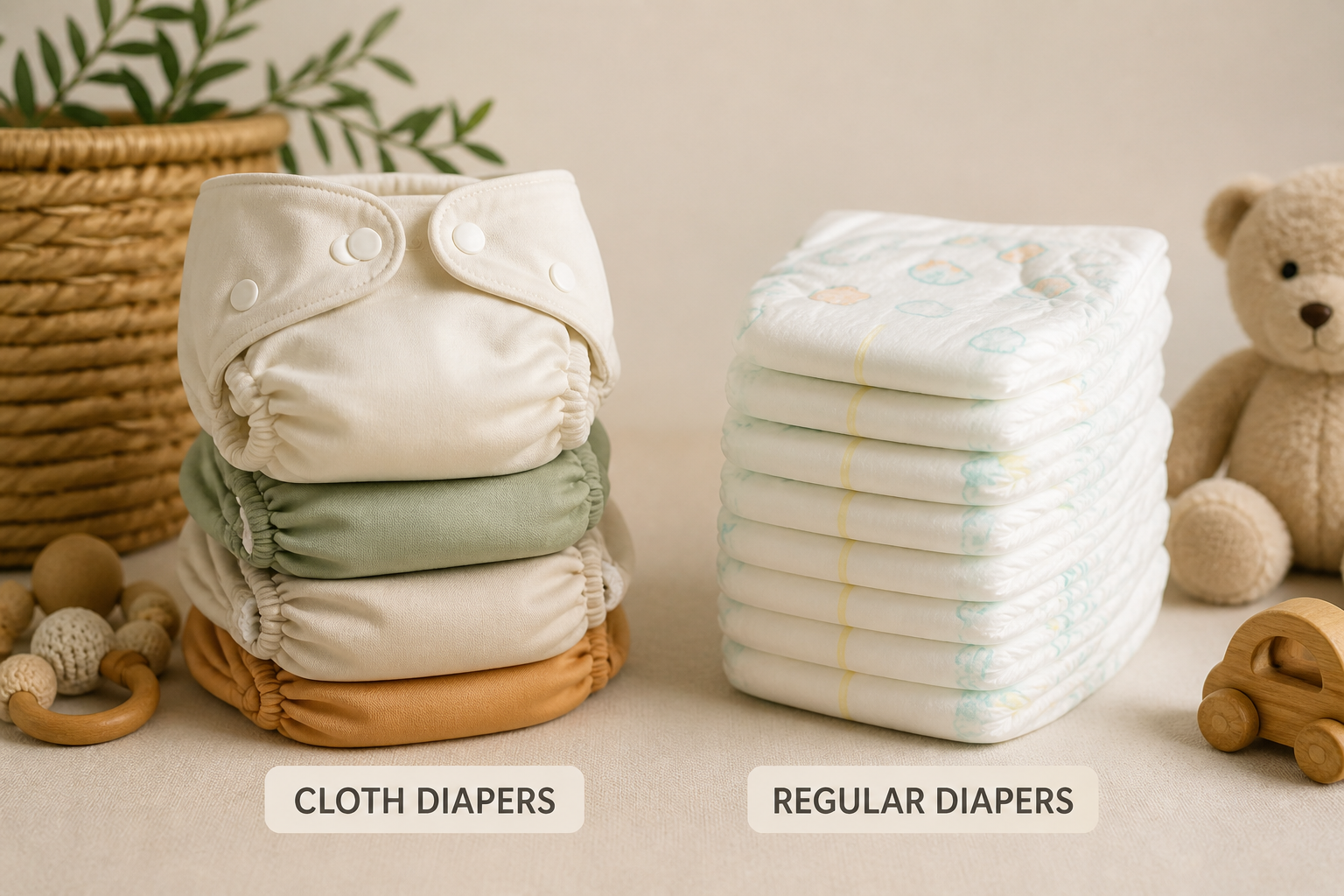
Cloth & Disposable Diapers
Both cloth and disposable diapers can help keep your baby dry and comfortable during newborn diaper changes.
View on Amazon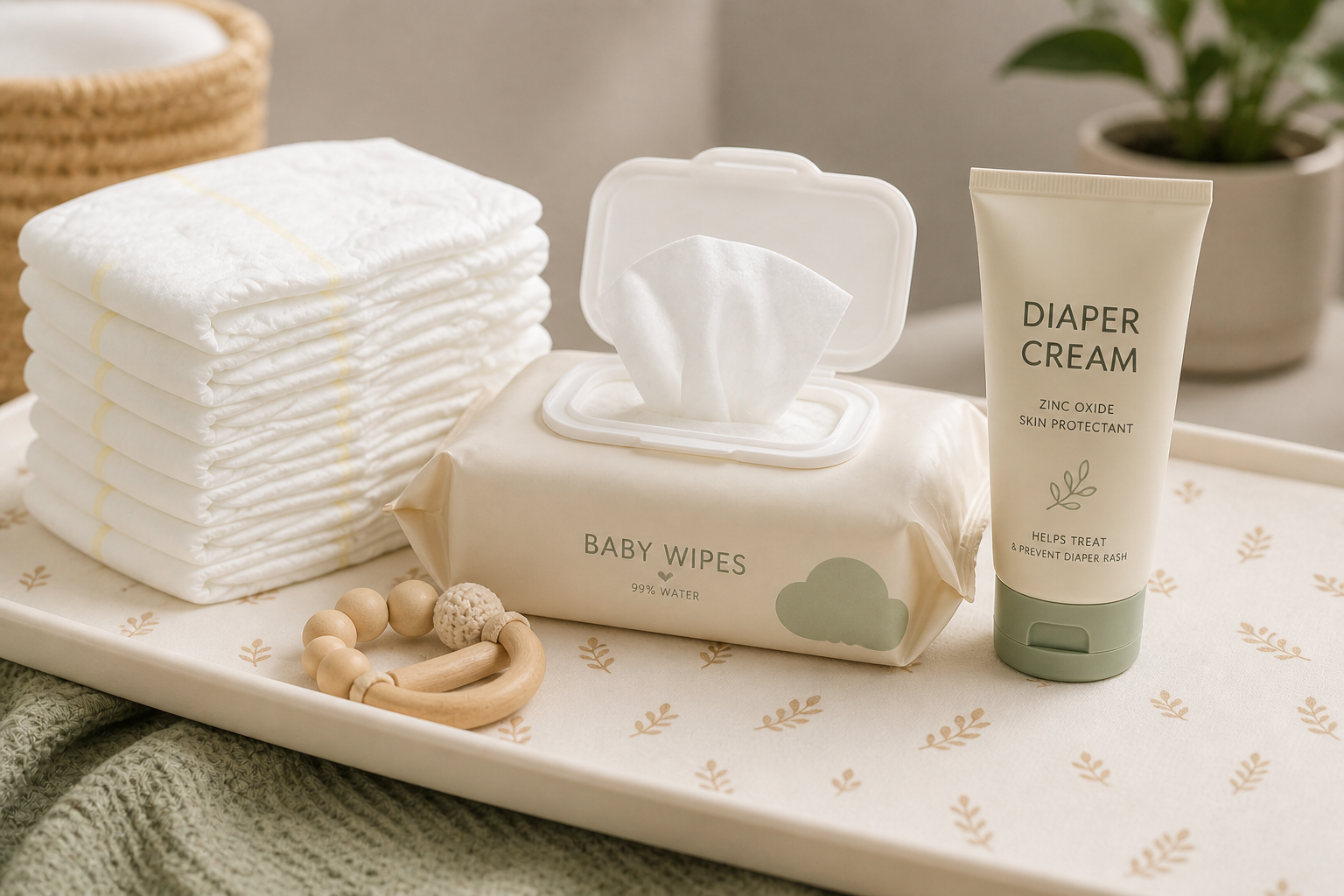
Diaper Essentials
Baby wipes and diaper cream help clean gently, protect sensitive skin, and support a simple changing routine.
View on Amazon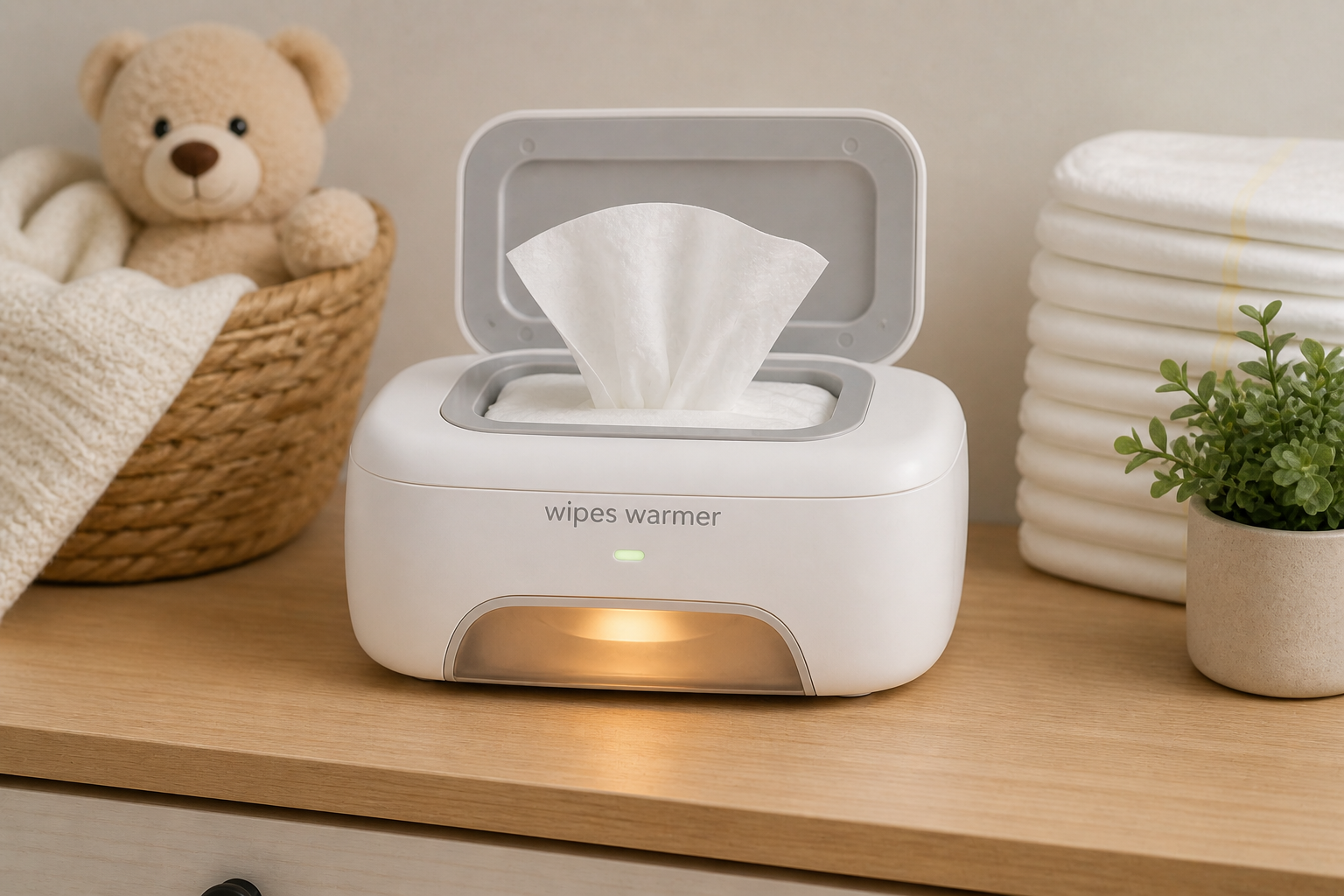
Wipe Warmer
A wipe warmer is optional, but it can make diaper changes more comfortable during cold mornings or nighttime changes.
View on AmazonFinal Diaper Changing Tips
If you are still learning How to Change a Newborn Baby’s Diaper, remember that every parent gets faster with practice. Keep your supplies close, stay calm, and focus on gentle care. Diaper changes may feel awkward at first, but they quickly become one of the most familiar parts of caring for your newborn.
As your baby grows, you will learn what products work best, how often your baby needs changing, and how to spot early signs of irritation. A simple, safe diaper routine helps keep your baby clean, dry, and comfortable throughout the day.