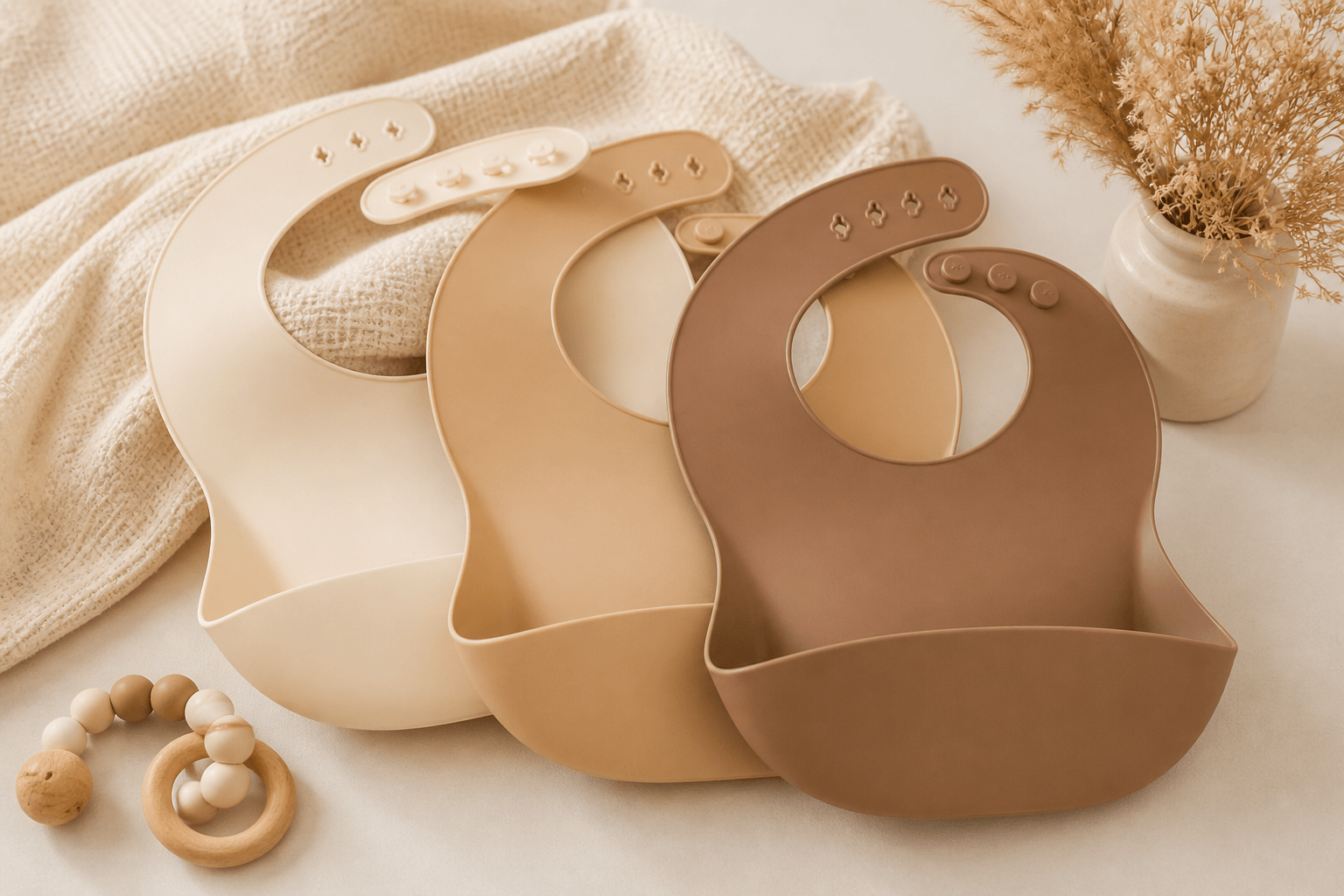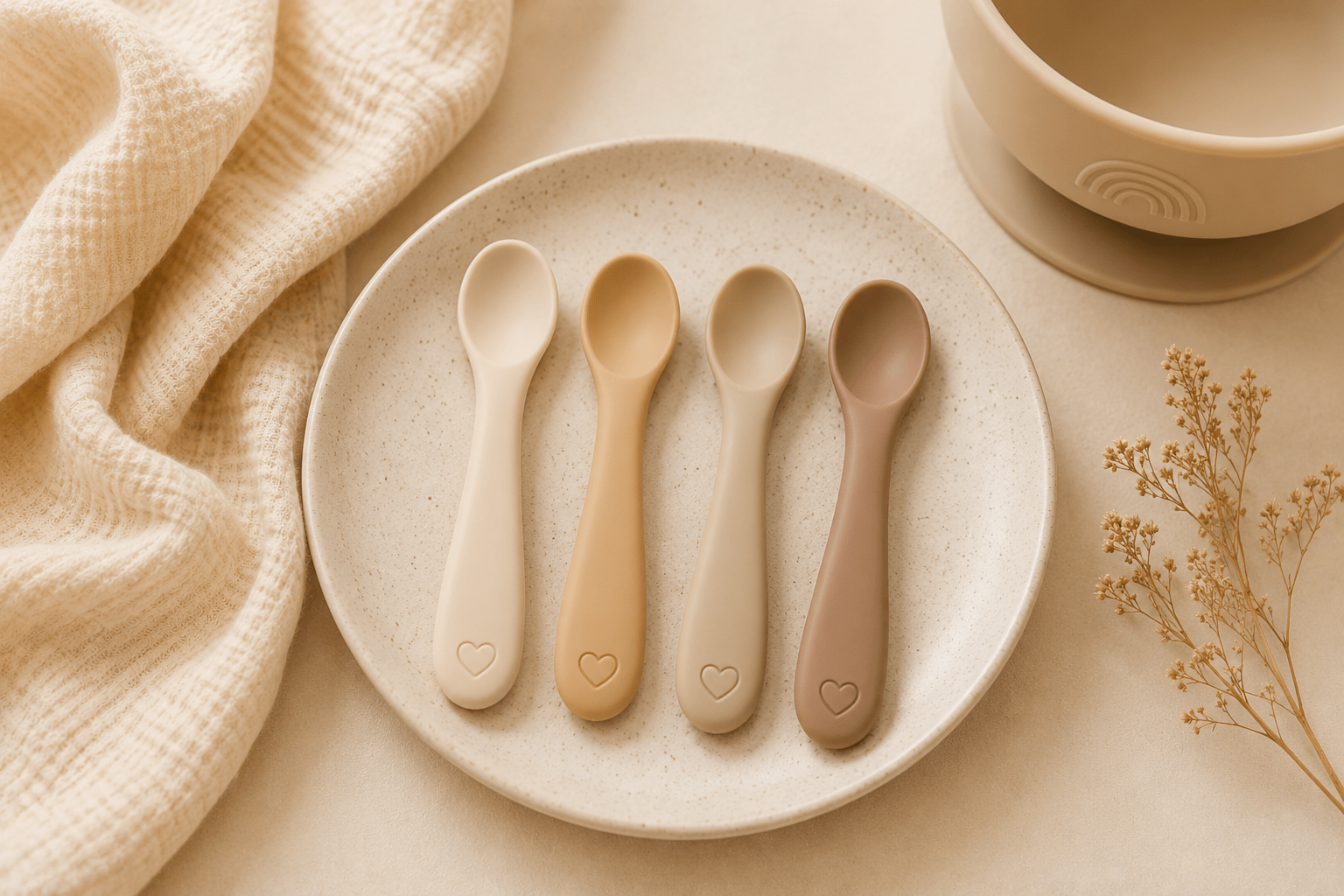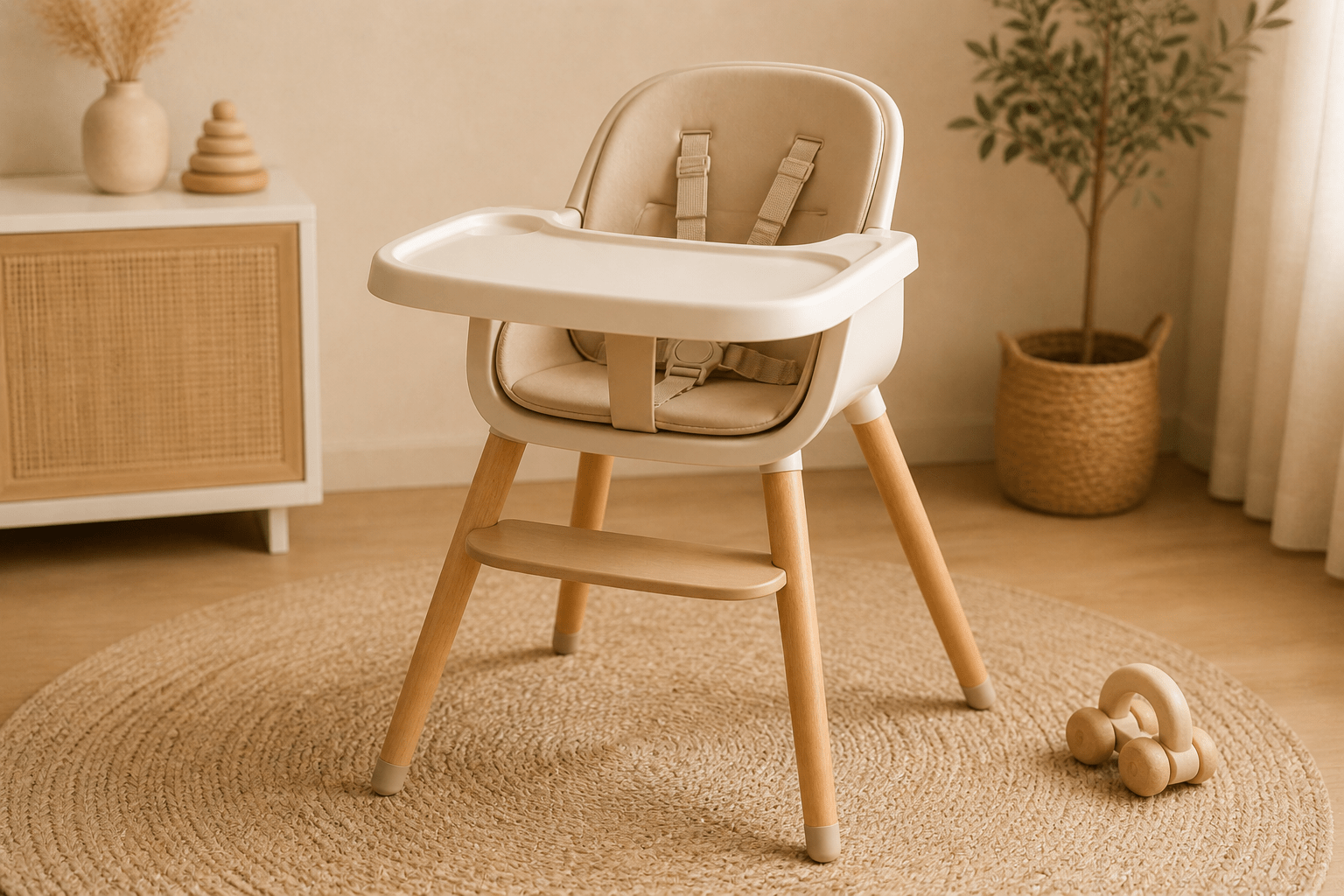
Feeding Your Baby
Feeding Your Baby can feel confusing in the beginning, especially when every baby grows, eats, and adjusts at their own pace. This guide will help you understand feeding basics, when to start solids, and how to build a routine that works for your baby.

Feeding Your Baby: What Parents Should Know First
Feeding Your Baby starts with understanding that every baby is different. In the early months, breast milk or formula provides complete nutrition. Some babies eat frequently, while others space out feedings naturally.
Instead of focusing strictly on a schedule, watch your baby’s cues. Hunger signs include rooting, sucking on hands, and fussiness. Signs your baby is full include turning away, slowing down, or falling asleep during feeding.
Feeding is also bonding time. Holding your baby close and feeding in a calm environment helps create a positive experience that supports development.
Feeding Your Baby by Age: How Much and How Often?
These are starting points for healthy, full-term babies. Formula amounts are per feeding unless the chart says “per day.” A baby may eat more or less at a particular feed. Follow hunger and fullness cues, and ask your pediatrician about a personal plan if your baby was born early, has trouble gaining weight, or has a medical condition.
| Baby’s age | Typical formula amount | How often | Breastfeeding |
|---|---|---|---|
| First week | About 1–2 oz (30–60 mL) | Newborns often feed 8–12 times in 24 hours. | Usually 8–12 feeds in 24 hours; sometimes every 1–3 hours. |
| About 1 month | About 3–4 oz (90–120 mL) | Often about every 3–4 hours for formula. | Often every 2–4 hours, including overnight. |
| About 2 months | About 5 oz (150 mL) | Often about every 3–4 hours. | Follow hunger cues; feeding times vary. |
| About 4 months | About 6 oz (180 mL) | Often about every 3–4 hours. | Continue feeding on cue. |
| About 6 months | About 7–8 oz (210–240 mL) | Often about 4–5 milk feeds in 24 hours; solids begin around this age. | Continue breastfeeding on cue as solids are introduced. |
| 8–12 months | Roughly 24 oz (720 mL) per day is an example alongside solid foods. | Milk feeds plus meals and snacks; routines vary. | Continue breastfeeding on cue alongside solids. |
Breastfeeding amounts: You do not need to measure ounces at the breast. Watch swallowing, wet diapers, contentment after feeds, and weight gain. If giving expressed milk in a bottle, ask your baby’s clinician how much fits their age and growth. Do not make a baby finish a bottle after they show fullness cues.
Formula needs vary. The American Academy of Pediatrics advises discussing intake with your pediatrician if your baby regularly wants more than about 32 oz of formula a day. Sources: AAP formula amounts by age, AAP feeding schedule, CDC breastfeeding guidance, and AAP 8–12 month sample menu.
When to Start Solid Foods
Most babies are ready for solid foods around 6 months. Look for signs like sitting up with support, good head control, and interest in food.
According to the CDC, starting solids too early is not recommended. You can review their guidelines here: CDC Infant Feeding Guide.
Start with soft foods like mashed banana, avocado, or oatmeal cereal. Begin with small amounts and allow your baby to explore textures.
Simple Feeding Routine
There is no perfect feeding schedule. Some babies eat more often, while others naturally space out feedings.
As solids are introduced, start with one small meal per day and gradually increase. Breast milk or formula will still be the primary source of nutrition during the first year.
Always let your baby guide how much they eat. Avoid forcing feedings, as this can create stress and negative associations with food.
Breastfeeding Support
Breastfeeding is one way of feeding your baby, and it can take time for both mom and baby to learn. Some babies latch easily, while others need more practice, patience, and support during the early weeks.
If you plan to breastfeed, it helps to understand hunger cues, latch basics, milk supply, pumping, and common breastfeeding challenges before you feel overwhelmed.
A simple breastfeeding guide can help you feel more prepared while you are building a feeding routine that works for your baby.