
Breastfeeding Guide for New Moms
Breastfeeding Guide for New Moms is a gentle beginner guide for understanding breastfeeding basics, feeding cues, milk supply, latch support, pumping, and what to expect in the early weeks with your baby.

Breastfeeding Guide for New Moms: What to Know First
Breastfeeding Guide for New Moms starts with understanding that breastfeeding can feel natural for some moms and stressful for others. Both experiences are normal. In the beginning, you and your baby are both learning a new routine, and it can take time for feeding to feel comfortable.
Newborns often feed frequently because their stomachs are small and breast milk digests easily. Instead of watching the clock only, it helps to watch your baby’s hunger cues, comfort level, and diaper output.
Common hunger signs include rooting, turning toward the breast, sucking on hands, opening the mouth, and becoming more alert. Crying can be a late hunger cue, so feeding before your baby is very upset may make latching easier.
Important: If breastfeeding is painful, your baby is not gaining weight, diapers are low, or you feel worried, contact your baby’s pediatrician or a lactation consultant for personal guidance.
How Often Do Breastfed Babies Eat?
Many breastfed newborns eat often, especially during the first few weeks. Some babies want shorter, frequent feeds, while others nurse longer and then sleep for a stretch.
Cluster feeding can also happen, especially in the evening or during growth spurts. This means your baby may want to nurse several times close together. It does not always mean you are doing something wrong or that your milk is gone.
The CDC explains that exclusive breastfeeding is recommended for about the first 6 months, with complementary foods added around 6 months while breastfeeding continues as long as mutually desired.
You can review breastfeeding guidance here: CDC Breastfeeding Recommendations.
Getting a Comfortable Latch
A good latch can make breastfeeding more comfortable and help your baby transfer milk well. Your baby’s body should be close to yours, with their head, shoulders, and hips facing the same direction.
Bring your baby to the breast instead of leaning your body down toward the baby. A deep latch usually means your baby takes in more than just the nipple, and your baby stays close and supported during feeding.
Some tenderness can happen early on, but sharp pain, cracking, bleeding, or pain that does not improve is a sign to get help. A lactation consultant can check positioning, latch, tongue movement, and feeding comfort.
Breast Milk Supply Basics
Milk supply works mostly by demand. The more milk that is removed from the breast through nursing or pumping, the more signals your body receives to keep making milk.
In the early days, your baby receives colostrum, which is thick and nutrient-rich. As your milk changes and increases, your breasts may feel fuller. Some moms feel this strongly, while others do not feel a dramatic change.
Helpful habits include feeding often, making sure your baby has a deep latch, drinking when you are thirsty, resting when possible, and asking for help if feeds are painful or your baby seems unsatisfied after most feedings.
Breastfeeding Guide for New Moms and Pumping
This Breastfeeding Guide for New Moms also includes pumping because some moms breastfeed directly, some pump, and some do a combination of both. Pumping can help if you are going back to work, building a small milk supply, sharing feeds with another caregiver, or relieving fullness.
If you pump, make sure your pump parts fit correctly and are cleaned according to the instructions. A flange that does not fit well can make pumping uncomfortable and may affect milk removal.
Try not to compare your pumping output to another mom’s. Pump output does not always show exactly how much milk your baby gets while nursing.
Common Breastfeeding Challenges
Breastfeeding can come with sore nipples, engorgement, clogged ducts, low supply worries, oversupply, leaking, or a baby who seems fussy at the breast. These problems are common, but they are also reasons to get support early.
ACOG explains that breast milk provides nutrients needed for growth and development, and breastfeeding support can help families work through common feeding challenges.
You can read more here: ACOG Breastfeeding Your Baby.
Helpful Breastfeeding Items
You do not need every breastfeeding product to get started, but a few simple items can make the early weeks easier and more comfortable.
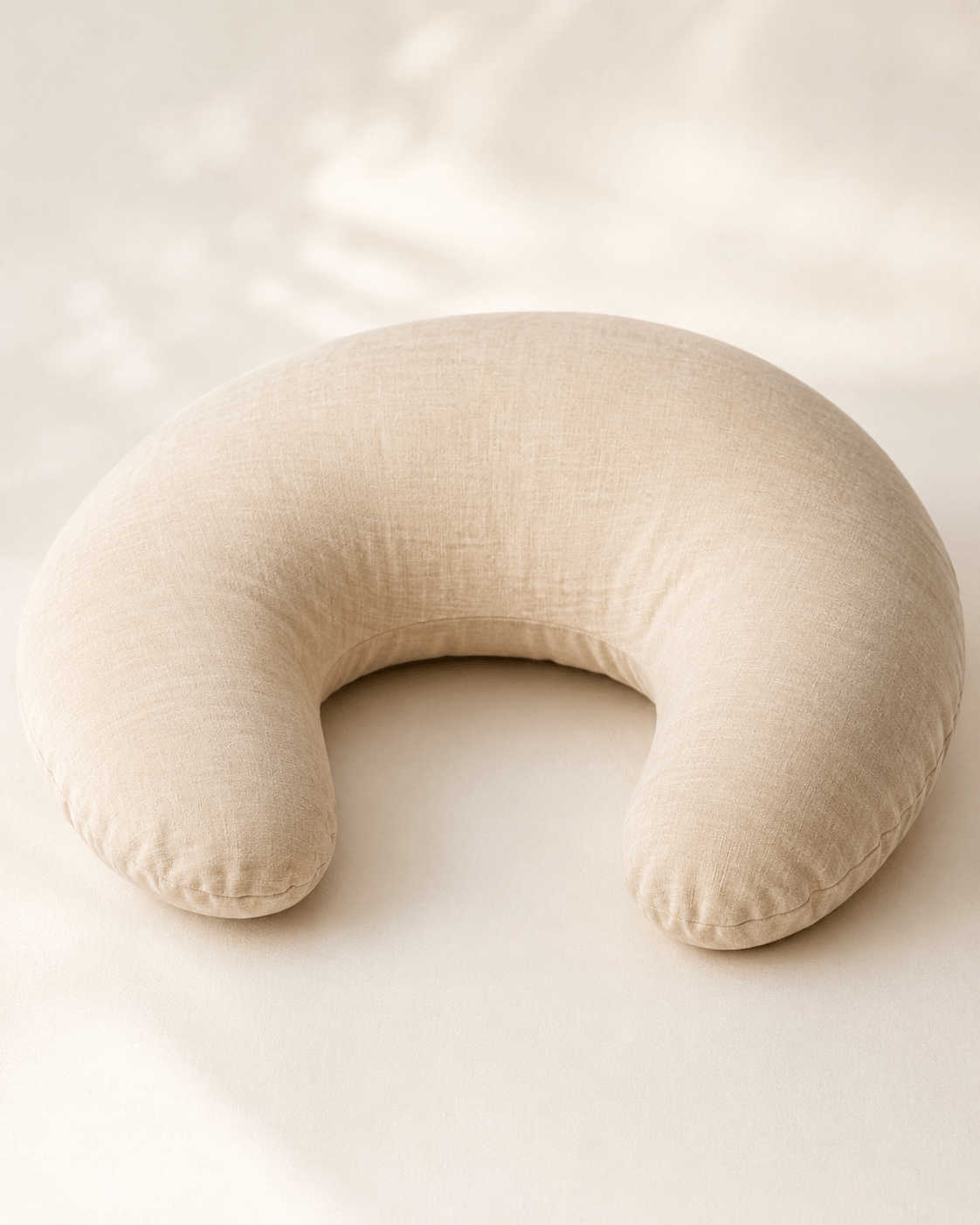
Nursing Pillow
Helps support your arms, back, and baby during longer feeding sessions.
See Baby Products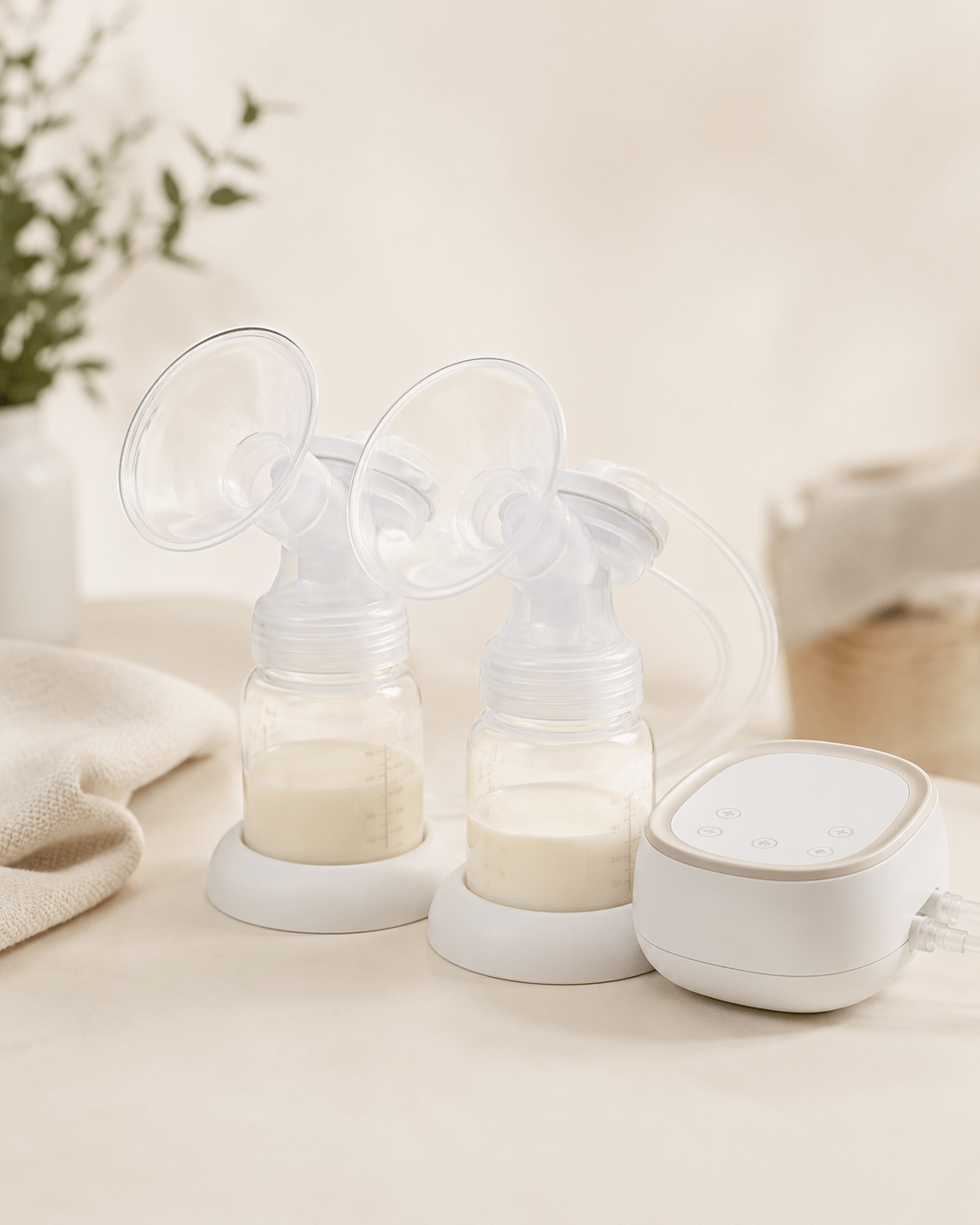
Breast Pump
Useful for pumping milk, relieving fullness, or preparing bottles for another caregiver.
See Baby Products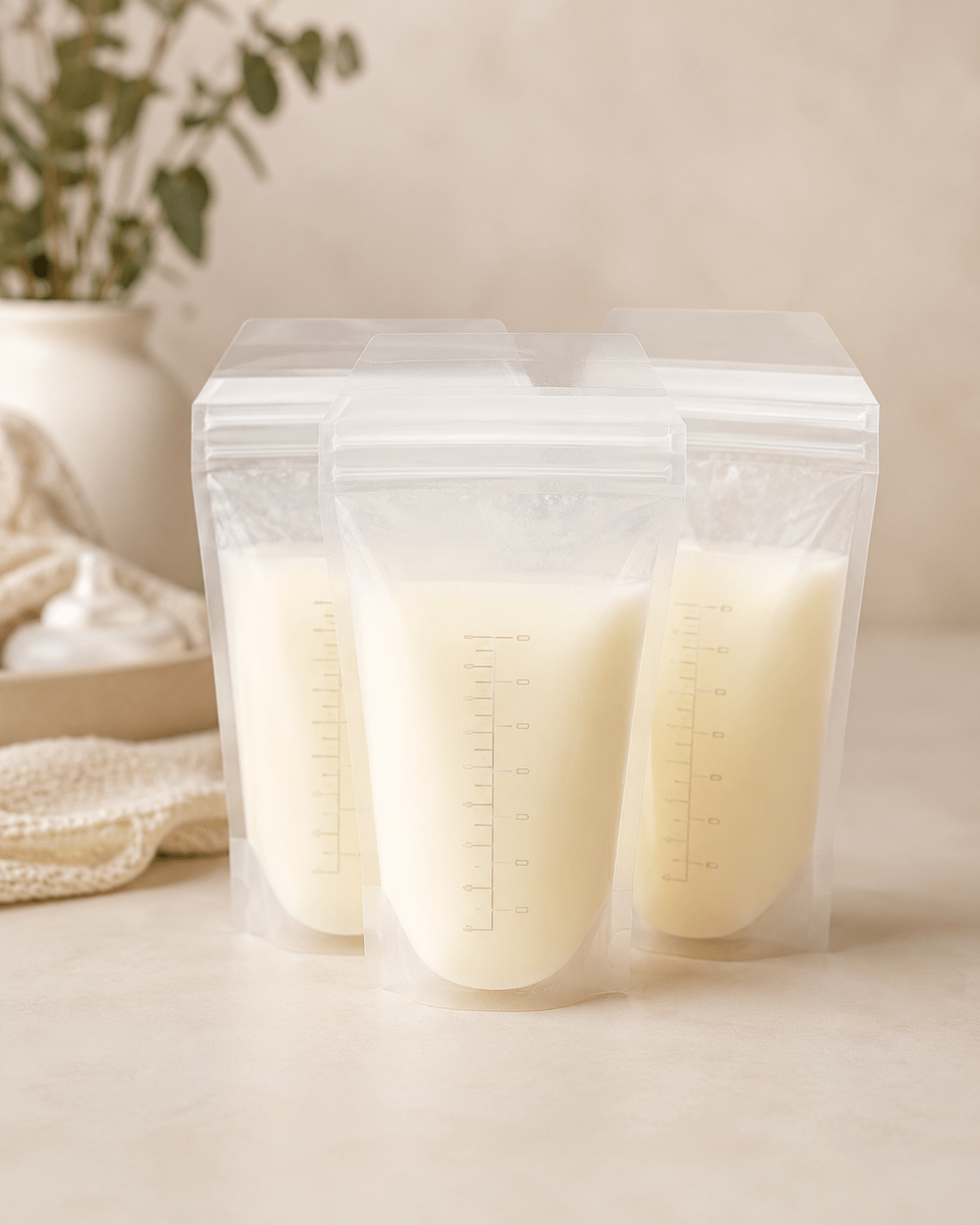
Milk Storage Bags
Helpful for storing pumped milk safely in the refrigerator or freezer.
See Baby ProductsFinal Breastfeeding Guide for New Moms Tips
This Breastfeeding Guide for New Moms is meant to help you feel more prepared, not pressured. Breastfeeding does not have to look perfect to be successful. Some moms breastfeed exclusively, some pump, some combination feed, and some switch plans when needed.
Give yourself time to learn. Ask for help early, keep your baby close, watch feeding cues, and remember that needing support does not mean you are failing.
For more baby feeding basics after reading this Breastfeeding Guide for New Moms, visit: Feeding Your Baby.