
No Stimulation Baby Sleep tips may help babies settle more easily at night by reducing bright lights, loud sounds, active play, and unnecessary nighttime stimulation during bedtime routines and overnight wakeups.
No Stimulation Baby Sleep
No Stimulation Baby Sleep routines focus on creating a peaceful nighttime environment that feels calm, quiet, and predictable for babies. During overnight feedings, diaper changes, and soothing sessions, reducing stimulation may help babies return to sleep faster instead of becoming fully awake and alert. Many parents find that soft lighting, quiet voices, and simple bedtime habits support smoother nighttime sleep routines.
Why No Stimulation Baby Sleep May Help
Babies are still learning the difference between daytime activity and nighttime sleep. Bright lights, loud sounds, excessive talking, television noise, and playful interaction can sometimes overstimulate babies during overnight wakeups.
No Stimulation Baby Sleep routines may help babies stay calm during nighttime care. Keeping nighttime routines quiet and gentle may reduce the chance of babies becoming fully awake after feedings or diaper changes.
Many families use calm nighttime routines together with swaddling, white noise, proper wake windows, and dim nursery lighting to help support better sleep habits.
Simple No Stimulation Baby Sleep Tips
- Use soft warm lighting instead of bright overhead lights.
- Keep voices low and calm during nighttime care.
- Avoid television or loud music during overnight wakeups.
- Keep diaper changes simple and gentle when possible.
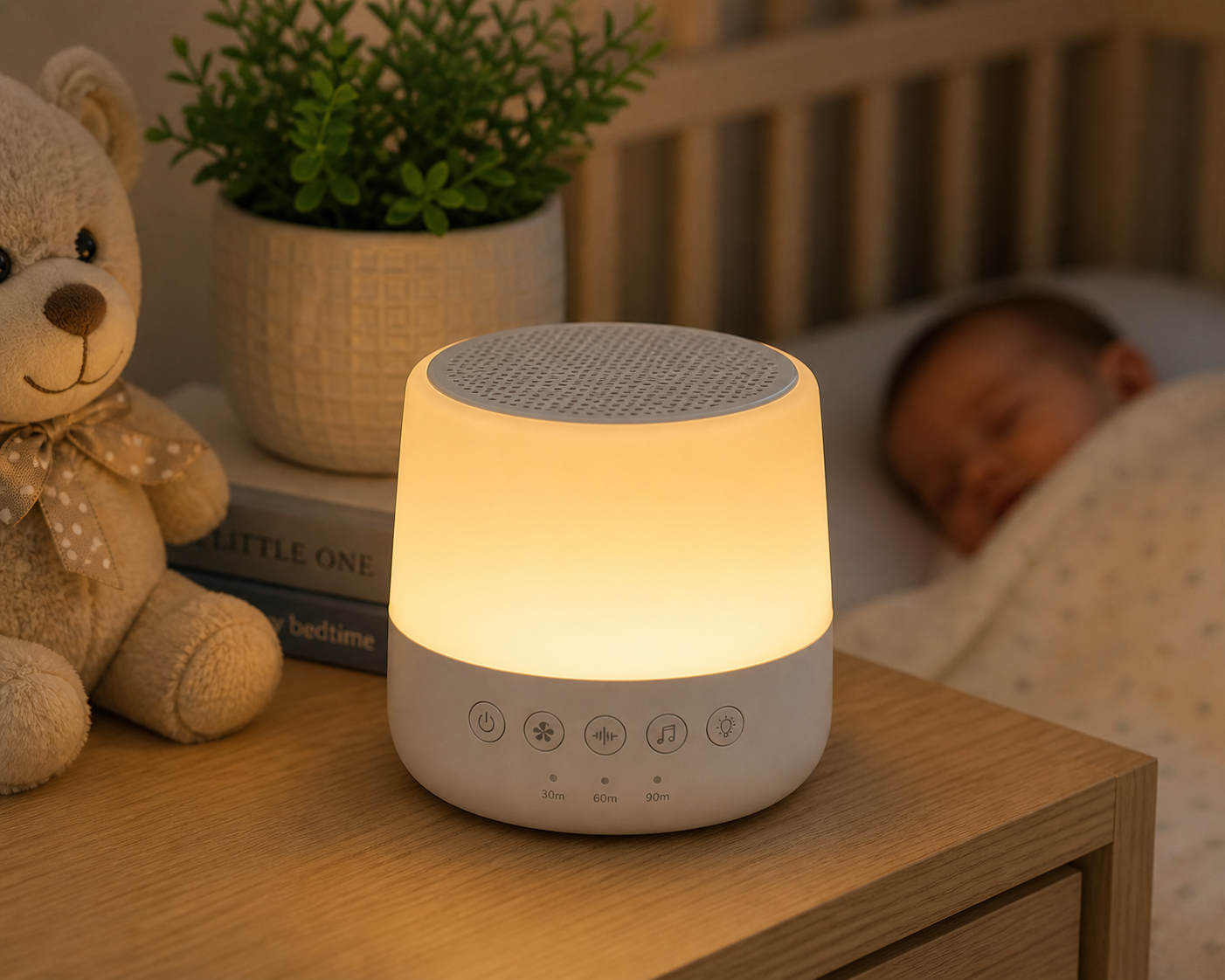
- Use calming white noise or soft sound machines.
- Avoid stimulating toys or active nighttime play.
- Keep nighttime routines predictable and repetitive.
Many parents notice that babies settle more quickly when nighttime routines remain calm and low energy.
Night Feedings and Baby Sleep
During nighttime feedings, babies may become overstimulated if the room is too bright or active. Bright screens, loud conversation, and sudden movement may signal to babies that it is time to wake up fully instead of returning to sleep.
No Stimulation Baby Sleep techniques focus on meeting a baby’s needs while keeping the environment peaceful and soothing. Babies still need comfort, feeding, and diaper changes overnight, but handling those moments gently may support smoother nighttime sleep.
Preparing bottles, diapers, wipes, and sleep supplies ahead of time may also help reduce unnecessary activity during overnight wakeups.
Creating a Calm Sleep Environment
A calm nursery or sleep space may help support No Stimulation Baby Sleep routines. Some families use blackout curtains, soft sound machines, warm night lights, breathable sleepwear, or swaddles to create a more relaxing nighttime environment.
Temperature may also affect baby sleep quality. Babies who become too warm or too cold may wake more frequently overnight. Light breathable layers are often more comfortable than heavy overdressing.
Every baby is different, so parents may need time to discover which nighttime routines work best for their family and sleep schedule.
Building Healthy Sleep Habits
No Stimulation Baby Sleep routines are often easier to maintain when families create consistent bedtime habits. Babies usually respond well to predictable routines because repetition helps signal that nighttime is approaching.
Simple bedtime habits may include lowering lights, reducing noise levels, changing into sleepwear, feeding, swaddling, or gently rocking before sleep. Calm and repetitive routines may help reduce stress for both babies and parents during difficult nighttime periods.
Many families discover that nighttime routines improve slowly over time rather than immediately. Sleep patterns can change during growth spurts, teething, illness, developmental leaps, or changes in feeding schedules. Patience and consistency are often important parts of building healthy sleep habits for babies.
Parents should also remember that every baby develops differently. Some babies naturally sleep longer stretches earlier than others, while some continue waking more frequently during infancy. No Stimulation Baby Sleep routines are simply one helpful approach that may support calmer nights and smoother bedtime transitions.
Helpful Products for No Stimulation Baby Sleep
Some parents use soft nursery lighting, calming sound machines, blackout curtains, and comfortable swaddles to create a more peaceful nighttime sleep environment for babies. Simple products that reduce noise and bright light may help support calm overnight routines.
Parents can also explore other helpful baby sleep resources and nighttime routine ideas throughout Baby Daily Tips.
For additional safe sleep guidance, parents may review recommendations from the American Academy of Pediatrics.
More Baby Daily Tips
Families can continue exploring newborn care guides, baby sleep tips, feeding advice, and parenting resources throughout Baby Daily Tips.
Last updated May 6, 2026. No Stimulation Baby Sleep routines may look different for every family and baby.